Common Door Repair Problems Boise Homeowners Notice
Doors play an important role in your home's security, comfort, and energy efficiency. Over time, everyday use, seasonal temperature changes, and normal settling can cause doors to stick, sag, develop drafts, or stop latching properly.
Fortunately, many of these common door problems can be repaired without replacing the entire door.
In this guide, we'll cover the most common door repair problems Boise homeowners experience, what causes them, and how to know when professional door repair is the best solution.
Door Won’t Latch or Lock
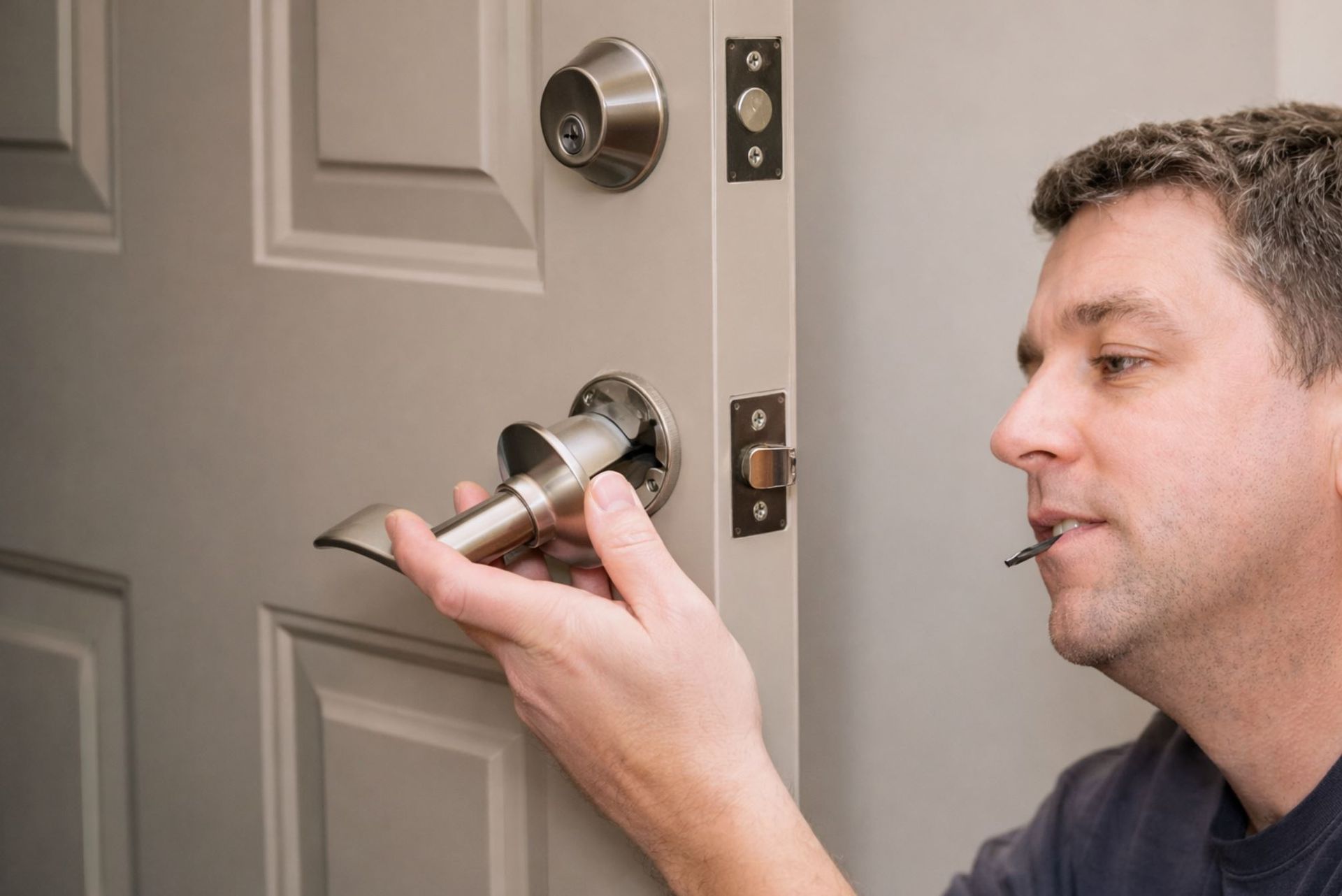
A door that won’t latch or lock is one of the most common issues homeowners notice. In many cases, the problem is not the lock itself, but alignment.
Common causes include:
- Seasonal movement of the door or frame
- Hinges that have loosened over time
- Strike plate misalignment
- Worn or shifting hardware
If a door used to latch smoothly and now doesn’t, it’s often a repairable alignment issue rather than a full replacement situation.
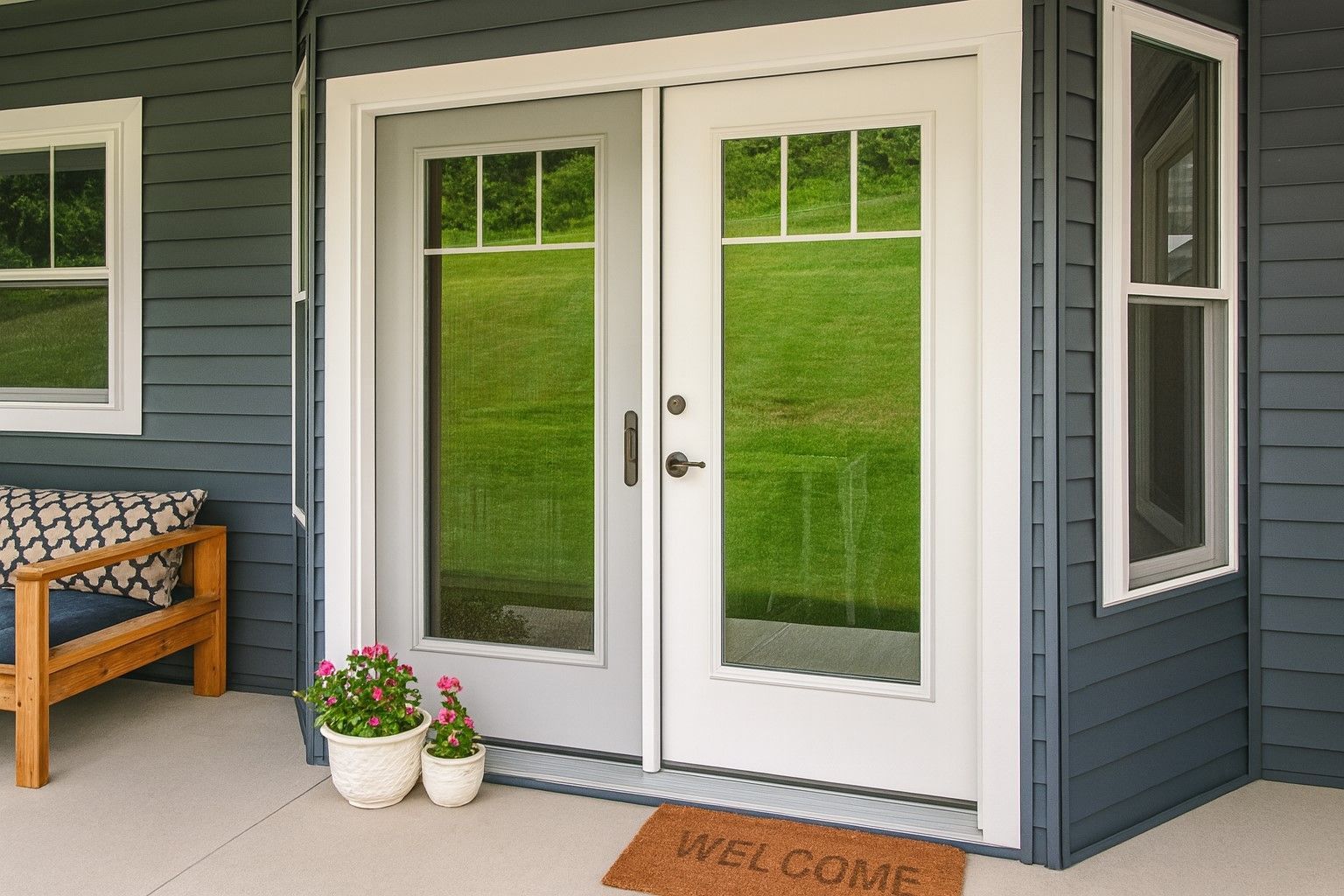
Sticking or Dragging Doors
Doors that stick or scrape along the floor are especially common during Boise’s seasonal temperature changes.
This usually happens when:
- Humidity causes wood doors to swell
- The home settles slightly over time
- Hinges loosen and allow the door to sag
- Flooring or carpet height changes
Light sticking can sometimes be managed with basic adjustments, but ongoing dragging often requires professional repair to prevent damage to the door or flooring.
Worn or Damaged Weatherstripping
Weatherstripping naturally wears out over time and is one of the most common causes of drafts around exterior doors. Cracked, flattened, or missing weatherstripping allows outside air, moisture, dust, and insects to enter your home.
Signs your weatherstripping needs replacement include:
- Drafts around the door
- Visible gaps when the door is closed
- Increased heating or cooling costs
- Worn, cracked, or missing seals
Replacing weatherstripping is often an inexpensive repair that improves comfort and energy efficiency.
Damaged Door Thresholds
Door thresholds receive constant foot traffic and exposure to the weather. Over time, they can loosen, crack, or deteriorate, allowing water and air to enter beneath the door.
Common signs include:
- Water entering under the door
- Drafts near the bottom of the door
- Loose or damaged threshold
- Difficulty opening or closing the door
Drafts Around Exterior Doors
If you feel cold air near your door in winter or warm air in summer, the issue is usually related to sealing rather than the door itself.
Common repairable causes include:
- Worn or damaged weatherstripping
- Small gaps around the door frame
- Loose thresholds
- Minor frame movement
Addressing drafts early can improve comfort and help reduce energy loss without replacing the entire door.
Loose Hinges and Sagging Doors
Doors that feel loose, swing open on their own, or appear uneven are often dealing with hinge or frame issues.
Typical causes include:
- Screws pulling out of the frame
- Stripped hinge holes
- Long-term wear from daily use
- Heavier doors stressing the hinges
These issues usually worsen over time if ignored, but they can often be corrected with proper hinge reinforcement and realignment.
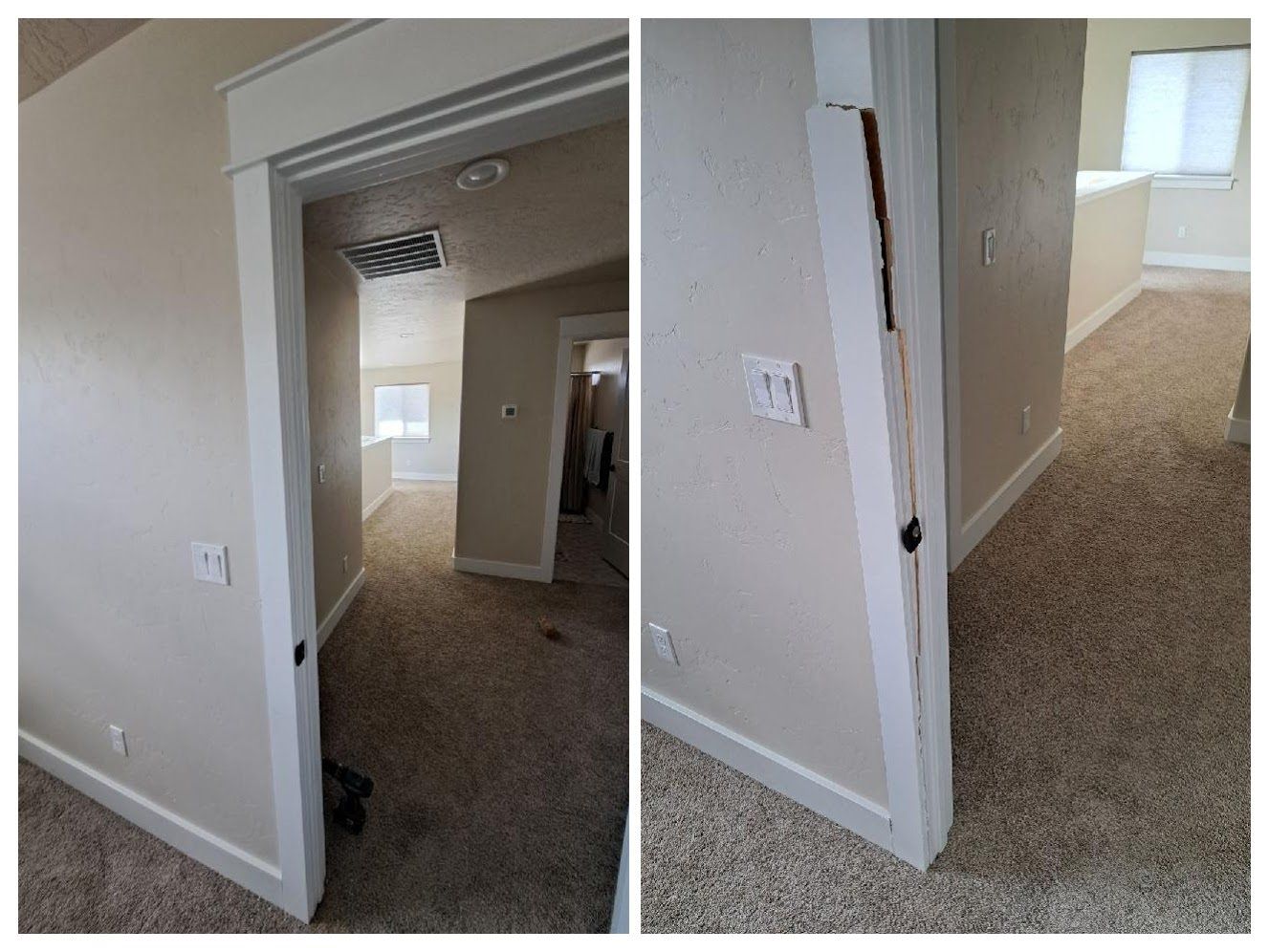
Door Frame and Trim Damage
Door frame and trim damage is a common reason doors stop working properly. Even small cracks, separation, or movement in the frame can cause sticking, gaps, or locking issues.
Common signs of door frame or trim damage include:
- Cracked or split trim near hinges
- Soft or deteriorating wood around exterior doors
- Gaps between the frame and surrounding wall
- Doors that no longer line up with the strike plate
In many cases, repairing or reinforcing damaged door frames or trim restores proper door function without full replacement. Addressing these issues early can also prevent further damage to nearby walls and finishes.
Frequently Asked Questions About Door Repair
Can a sticking door be repaired without replacing it?
Yes. In many cases, a sticking door can be repaired without replacing it. Common causes include loose hinges, seasonal expansion, minor frame movement, or alignment issues. A professional inspection can determine the cause and often restore smooth operation with adjustments or minor repairs.
Why won't my door latch properly?
A door that won't latch is often the result of a misaligned strike plate, loose hinges, normal house settling, or seasonal movement of the door or frame. In most cases, these issues can be corrected through adjustments or hardware repairs without replacing the entire door.
Can a sagging door be repaired?
Yes. Sagging doors are commonly caused by loose hinges, worn hardware, or shifting door frames. Tightening or replacing hardware, reinforcing the hinge area, or realigning the door can often restore proper operation and prevent additional wear.
Why is there a draft around my front door?
Drafts are typically caused by worn weatherstripping, gaps around the door frame, a damaged threshold, or minor movement of the door over time. Replacing weatherstripping, sealing gaps, or making adjustments to the door can improve comfort, reduce energy loss, and help keep moisture and pests outside.
Can damaged door frames be repaired?
Yes. Many damaged door frames can be repaired without replacing the entire door. Minor cracks, loose trim, soft wood, or frame movement can often be reinforced or repaired to restore proper door function and improve the appearance of your entryway.
How often should weatherstripping be replaced?
Weatherstripping should be inspected at least once a year and replaced whenever it becomes cracked, flattened, torn, or no longer creates a tight seal. In Boise's changing climate, maintaining weatherstripping helps improve energy efficiency and keeps drafts, moisture, and insects from entering your home.
Should I repair or replace my exterior door?
It depends on the condition of the door. Repairs are often the best option for sticking doors, damaged hardware, worn weatherstripping, minor frame damage, and alignment issues. Replacement may be recommended if the door has severe rot, extensive structural damage, or can no longer provide adequate security or weather protection.
Can a handyman repair interior and exterior doors?
Yes. A professional handyman can repair many common interior and exterior door problems, including sticking doors, sagging doors, damaged frames, worn weatherstripping, loose hinges, misaligned locks, thresholds, and trim. Many door issues can be resolved without the expense of replacing the entire door.
Warped or Swollen Door Panels
Wood doors are especially sensitive to moisture and temperature changes. When a door begins to warp or swell, it may no longer sit flat within the frame.
Signs of warping include:
- Uneven gaps around the door
- Difficulty closing or latching
- Visible bowing or twisting
In early stages, some warped doors can still be repaired. Severe warping may eventually require replacement, but a professional assessment helps determine the most cost-effective option.
When Door Repair Is Enough vs When Replacement Is the Only Option
Many door problems can be repaired without replacing the door.
Door repair is usually enough when:
- The door sticks but is not severely warped
- Hardware or hinges are worn or loose
- Weatherstripping or seals need attention
- The frame remains solid and intact
Replacement may be necessary when:
- The door has major structural damage
- Rot or severe warping is present
- Security issues cannot be resolved through repair
A proper evaluation helps avoid unnecessary replacement when repair will solve the issue.
Simple Door Maintenance Tips for Homeowners
Basic upkeep can extend the life of your doors and prevent many common issues.
Helpful habits include:
- Tightening hinges once or twice a year
- Replacing worn weatherstripping before winter
- Checking latch alignment if doors stop closing smoothly
- Keeping exterior door frames sealed and painted
- Lubricate hinges annually.
- Tighten loose screws.
- Inspect weatherstripping.
- Keep thresholds clean.
- Touch up paint on wood exterior doors.
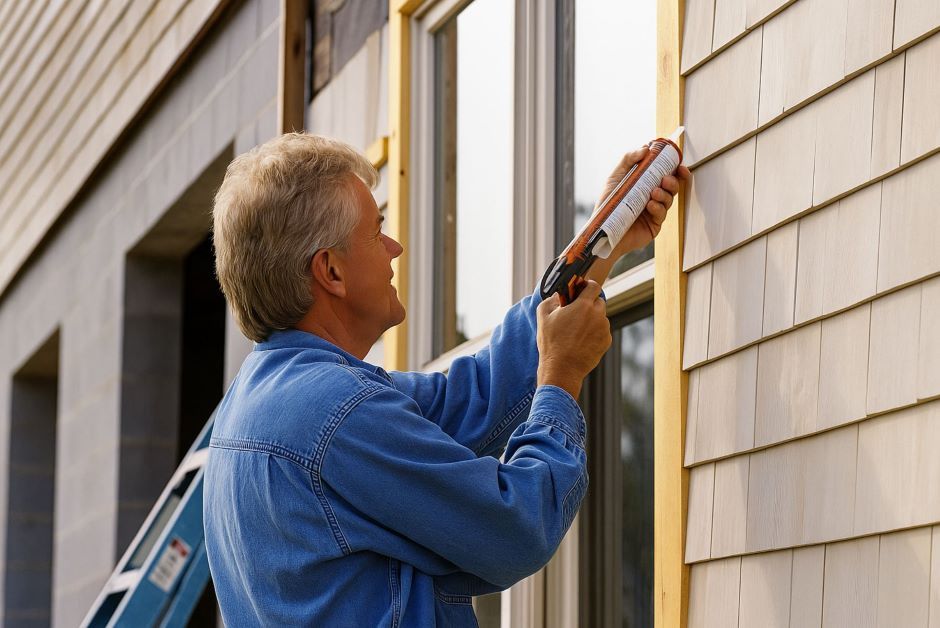
- Check caulking around the door frame.
Catching small problems early often prevents larger repairs later.
When It’s Time to Call a Professional
Most common door problems start small and become more noticeable over time. Addressing sticking doors, alignment issues, drafts, loose hardware, and damaged frames early can improve your home's comfort, security, and energy efficiency while helping you avoid more extensive repairs later. If you're unsure whether your door can be repaired, a professional inspection can help determine the best solution.
Related Services:
- Door Repair & Installation
- Exterior Door Repair
- Interior Door Installation
- Carpentry Services
- Siding & Trim Repair